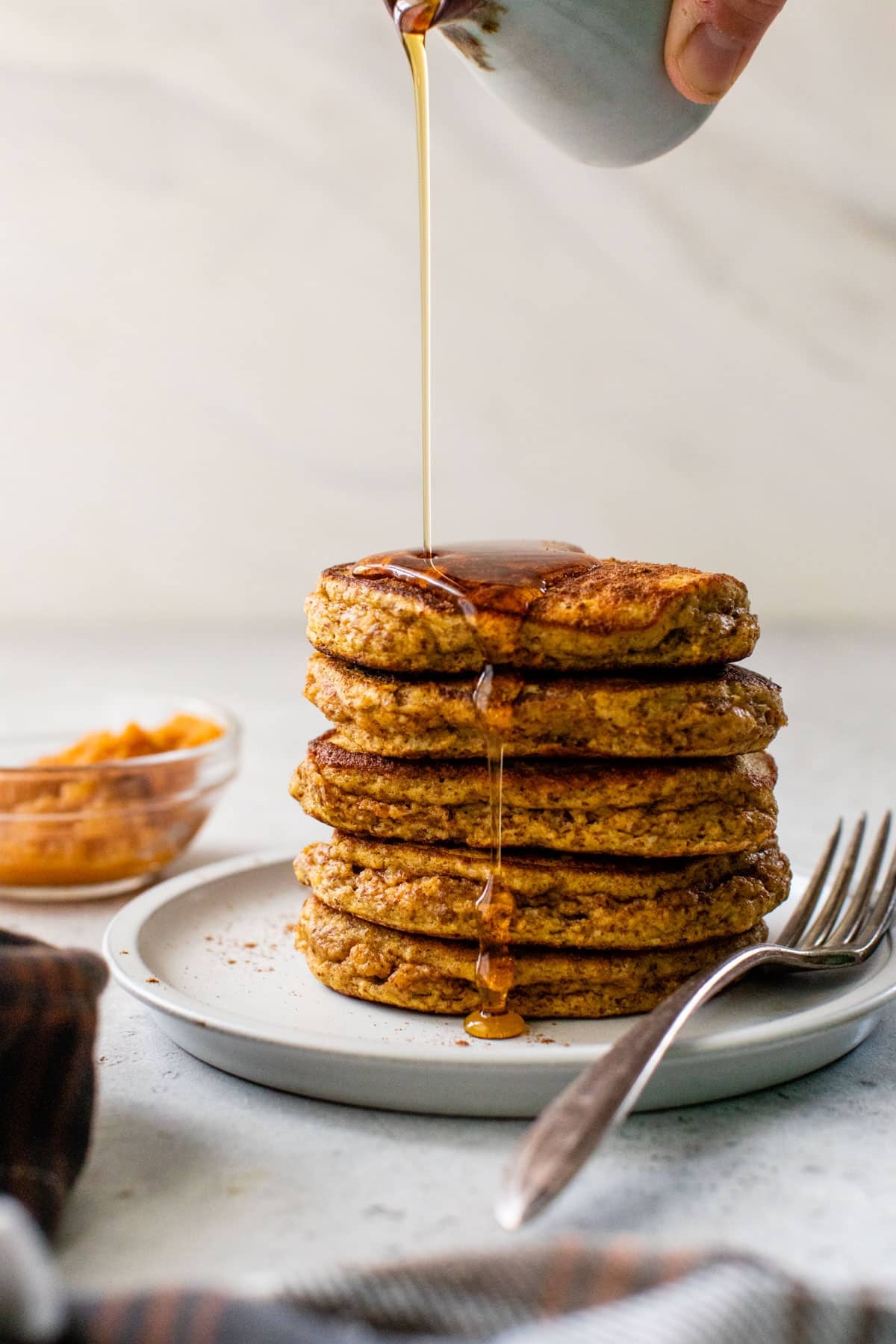
Almond vs. Coconut Flour: Unlocking the Best Paleo Pumpkin Pancakes
As the leaves begin to turn and the scent of cinnamon fills the air, the craving for warm, comforting breakfasts becomes undeniable. For those committed to a paleo lifestyle, traditional flour-based pancakes are off the menu, but that doesn't mean sacrificing the joy of a fluffy stack. Enter
paleo pumpkin pancakes – a dairy-free, grain-free, and refined sugar-free delight that perfectly captures the essence of autumn. But when it comes to achieving that ideal texture and flavor, a crucial question arises: which grain-free flour, almond or coconut, reigns supreme?
This comprehensive guide will delve into the distinct characteristics of almond flour and coconut flour, exploring their impact on your pumpkin pancake recipe. We’ll analyze their pros and cons, share expert tips for working with each, and help you determine which flour will deliver *your* best paleo pumpkin pancakes.
Embracing the Paleo Pumpkin Pancake Phenomenon
Before we pit our flours against each other, let's appreciate why
paleo pumpkin pancakes have become such a beloved breakfast staple. They're not just a seasonal treat; they embody a philosophy of wholesome, clean eating without compromising on flavor or texture. Packed with nutrients from real pumpkin, naturally sweetened, and infused with cozy spices, these pancakes are a guilt-free pleasure. They support health and wellness goals, providing a satisfying and filling start to any day, whether you're strictly paleo, gluten-free, or simply striving for more mindful eating. The beauty lies in their simplicity and the ability to enjoy the comforting taste of pumpkin pie in a wholesome pancake form, year-round.
Almond Flour: The Go-To for Fluffy Paleo Pancakes
Almond flour is often the first choice for many paleo bakers, and for good reason. Made from blanched, finely ground almonds, it offers a versatile and generally forgiving option for grain-free recipes, including
paleo pumpkin pancakes.
Characteristics and Benefits:
- Fine Texture: Its finely ground nature contributes to a lighter, more tender crumb, closely mimicking the texture of traditional wheat flour pancakes. This is a significant advantage for achieving that desired "fluffy" pancake consistency.
- Mild Flavor: Almond flour has a subtle, slightly sweet, nutty flavor that doesn't overpower the star of the show – the pumpkin and fall spices. This allows the autumnal flavors to truly shine.
- Good Binder: While still grain-free, almond flour provides a decent binding capacity, making it relatively easier to handle than some other alternative flours.
- Nutrient-Rich: It's a good source of healthy fats, protein, and vitamin E, adding nutritional value to your breakfast.
Potential Challenges and Tips for Success:
- Density if Overused: While aiming for fluffy pancakes, using too much almond flour can sometimes lead to a slightly dense result if not balanced with enough liquid and leavening.
- Cost: Almond flour can be more expensive than conventional flours.
- Precise Measurement: Always spoon and level almond flour rather than scooping directly from the bag to ensure accuracy, as it can pack down easily.
- Sifting: For the ultimate light and airy pancakes, sifting your almond flour can prevent lumps and create a smoother batter.
For those eager to dive into a reliable recipe for the former, our guide on
Fluffy Paleo Pumpkin Pancakes: Healthy, Grain-Free Breakfast for Fall offers an excellent starting point.
Coconut Flour: The Highly Absorbent Alternative
Coconut flour presents a completely different baking experience compared to almond flour. Made from dried, defatted coconut meat, it's a powerhouse of fiber and a fantastic low-carb option. However, its unique properties require a distinct approach when crafting
paleo pumpkin pancakes.
Characteristics and Benefits:
- High Absorbency: This is coconut flour's defining characteristic. It acts like a sponge, soaking up an incredible amount of liquid. This property is why recipes often call for significantly more eggs and liquid when using coconut flour.
- Low Carb & High Fiber: For those strictly monitoring carbohydrate intake or boosting fiber, coconut flour is an excellent choice.
- Unique Texture: Properly prepared, coconut flour pancakes can have a surprisingly soft, moist, and slightly dense texture that some people prefer, almost like a delicate pumpkin cake.
- Subtle Coconut Flavor: It imparts a very mild coconut undertone, which generally complements the pumpkin spice profile beautifully without being overwhelming.
Potential Challenges and Tips for Success:
- Tricky to Work With: Due to its extreme absorbency, direct substitution with other flours is impossible. Recipes must be specifically formulated for coconut flour. Attempting a 1:1 swap with almond flour will result in a dry, crumbly disaster.
- Requires More Eggs: Eggs are crucial not just for binding but also for providing much-needed moisture when using coconut flour. Don't skip or skimp on them!
- Adequate Liquid is Key: Beyond eggs, extra liquid (like unsweetened almond milk or cashew milk) is essential to achieve a pourable batter. If using thicker coconut milk, remember to dilute it.
- Rest the Batter: Allowing the batter to rest for 5-10 minutes gives the coconut flour time to fully absorb the liquids, resulting in a better texture and consistency for cooking.
- Cook Through: Coconut flour pancakes can sometimes take a little longer to cook all the way through due to their density. Ensure your griddle isn't too hot, and cook until golden brown and firm to the touch.
The Great Flour Showdown: Almond vs. Coconut for Paleo Pumpkin Pancakes
So, which flour wins the title of "best" for your
paleo pumpkin pancakes? The answer largely depends on your priorities for texture, flavor, and dietary goals.
Texture & Mouthfeel:
- Almond Flour: Delivers a lighter, more traditional "fluffy" pancake texture. They tend to be tender and soft.
- Coconut Flour: Results in a slightly denser, often more moist and cake-like pancake. Some describe it as having a "meatier" bite.
Flavor Profile:
- Almond Flour: Very neutral, allowing the pumpkin and spices to dominate.
- Coconut Flour: Adds a faint, pleasant coconut essence that harmonizes well with fall flavors.
Nutritional Impact:
- Almond Flour: Higher in healthy fats and protein, with a moderate carb count.
- Coconut Flour: Significantly lower in net carbs and much higher in dietary fiber, making it a favorite for keto and strict low-carb diets.
Ease of Use & Reliability:
- Almond Flour: Generally more forgiving for beginners in paleo baking. Recipes are often more flexible.
- Coconut Flour: Requires strict adherence to recipes due to its unique absorbency. It can be more challenging for those unfamiliar with its properties. Trying to adapt recipes not specifically designed for it often leads to disappointing results.
Essential Ingredients for Both Variations
Regardless of your flour choice, several key ingredients are foundational to delicious
paleo pumpkin pancakes:
- Pumpkin Puree: Always opt for 100% pure canned pumpkin, not pumpkin pie filling (which contains added sugars and spices). It's the natural sweetener and flavor base.
- Eggs: Crucial for binding and lift, especially vital in coconut flour recipes where they provide much-needed moisture.
- Milk: Unsweetened non-dairy milk like almond milk or cashew milk. If using canned full-fat coconut milk, dilute it with water as it’s much thicker.
- Sweetener: A touch of maple syrup or honey adds natural sweetness without refined sugars.
- Fat: Coconut oil, ghee, or even unsalted butter (if dairy-tolerant) for cooking and sometimes in the batter for richness.
- Spices: Cinnamon, nutmeg, ginger, and cloves – or a pre-made pumpkin pie spice blend – are essential for that classic fall flavor.
- Leavening: Baking soda helps give the pancakes a nice lift.
- Vanilla Extract & Salt: For enhancing overall flavor.
It's important to note that you cannot simply swap almond and coconut flour 1:1 in a recipe. A recipe formulated for almond flour would need significant adjustments to liquid and egg content if switching to coconut flour, and vice-versa. Many baking mixes containing both flours also require specific adaptations.
Expert Tips for Perfect Paleo Pumpkin Pancakes
Achieving the perfect stack, whether with almond or coconut flour, involves a few universal techniques:
- Don't Overmix: Mix just until the wet and dry ingredients are combined. Overmixing can develop gluten in almond flour (leading to tougher pancakes) and can make coconut flour pancakes dense.
- Preheat Your Griddle Properly: A medium-low heat is often best. Too hot, and the outsides burn before the insides cook; too low, and they won't brown nicely. Test a small amount of batter first.
- Portion Control: Use a 1/4 cup measure for consistent pancake sizes.
- Flip When Ready: Look for bubbles forming on the surface and edges that look set before flipping.
- Serve Immediately: Pancakes are always best fresh off the griddle!
If you're looking for a quick and straightforward approach to satisfying your fall cravings, consider exploring
Easy Paleo Pumpkin Pancakes: Wholesome, Fluffy & Diet-Friendly Breakfast for more inspiration.
The Verdict: Which Flour is "Best"?
Ultimately, the "best" flour for your
paleo pumpkin pancakes is a matter of personal preference and dietary needs. If you prioritize a light, fluffy, and more traditional pancake texture, almond flour is likely your winner. If you're seeking a lower-carb, higher-fiber option with a slightly denser, cake-like consistency and don't mind a bit more precision in your baking, then coconut flour is an excellent choice. Many enthusiasts even enjoy both variations, depending on their mood or specific nutritional goals.
Experimentation is key! Try making a batch with almond flour, then another with a coconut flour recipe. Pay attention to the texture, how filling they are, and the subtle flavor differences. Whichever you choose, you're in for a delightful, wholesome, and perfectly autumnal breakfast experience. Enjoy your delicious journey to the perfect paleo pumpkin pancakes!